
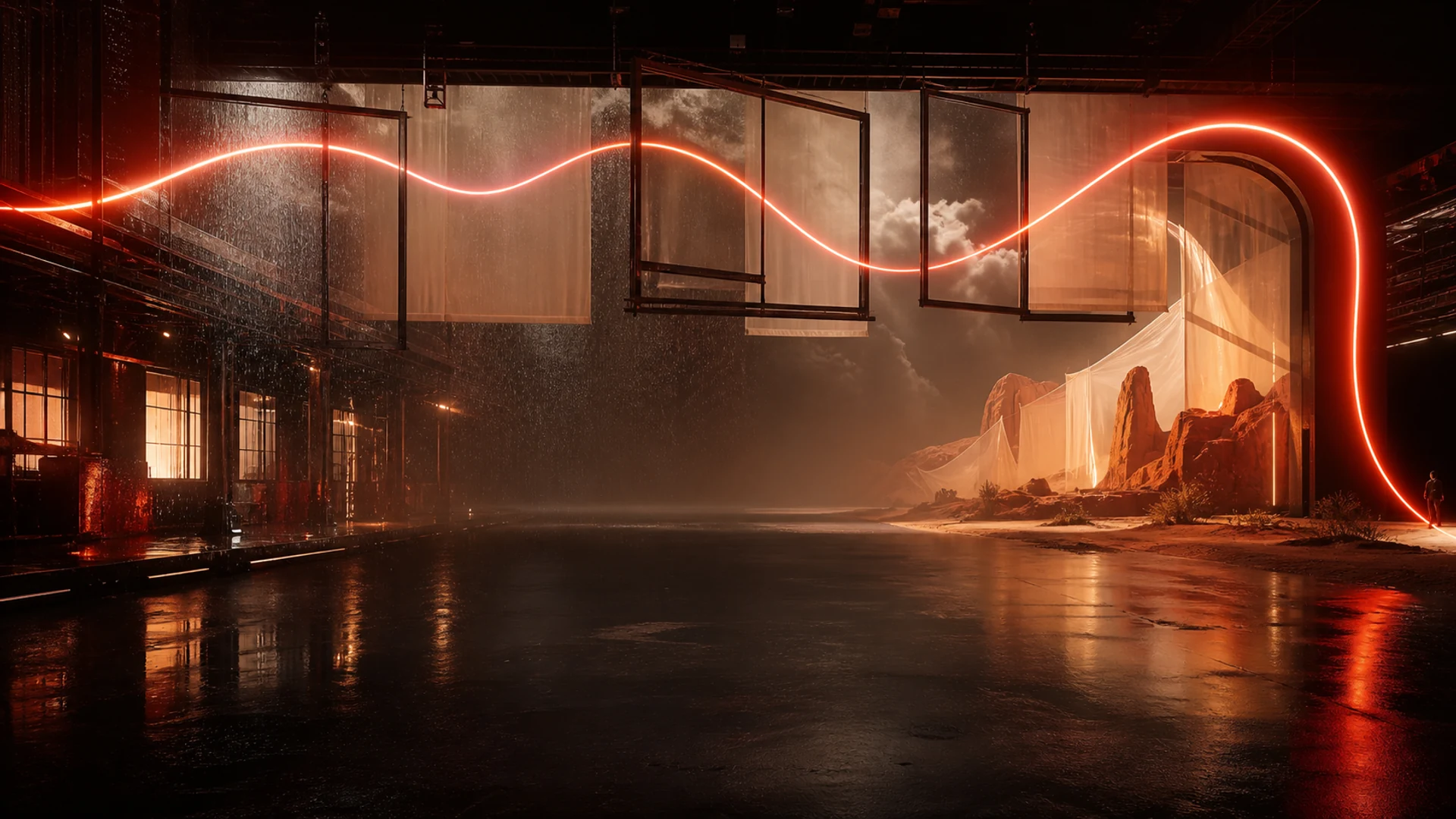

Dynamic Performance with Camera Tracking
Camera tracking and coordinated subject motion
- Mode
- reference
- Published clip
- 15s · 3:4
Prompt / instruction: Official prompt not published
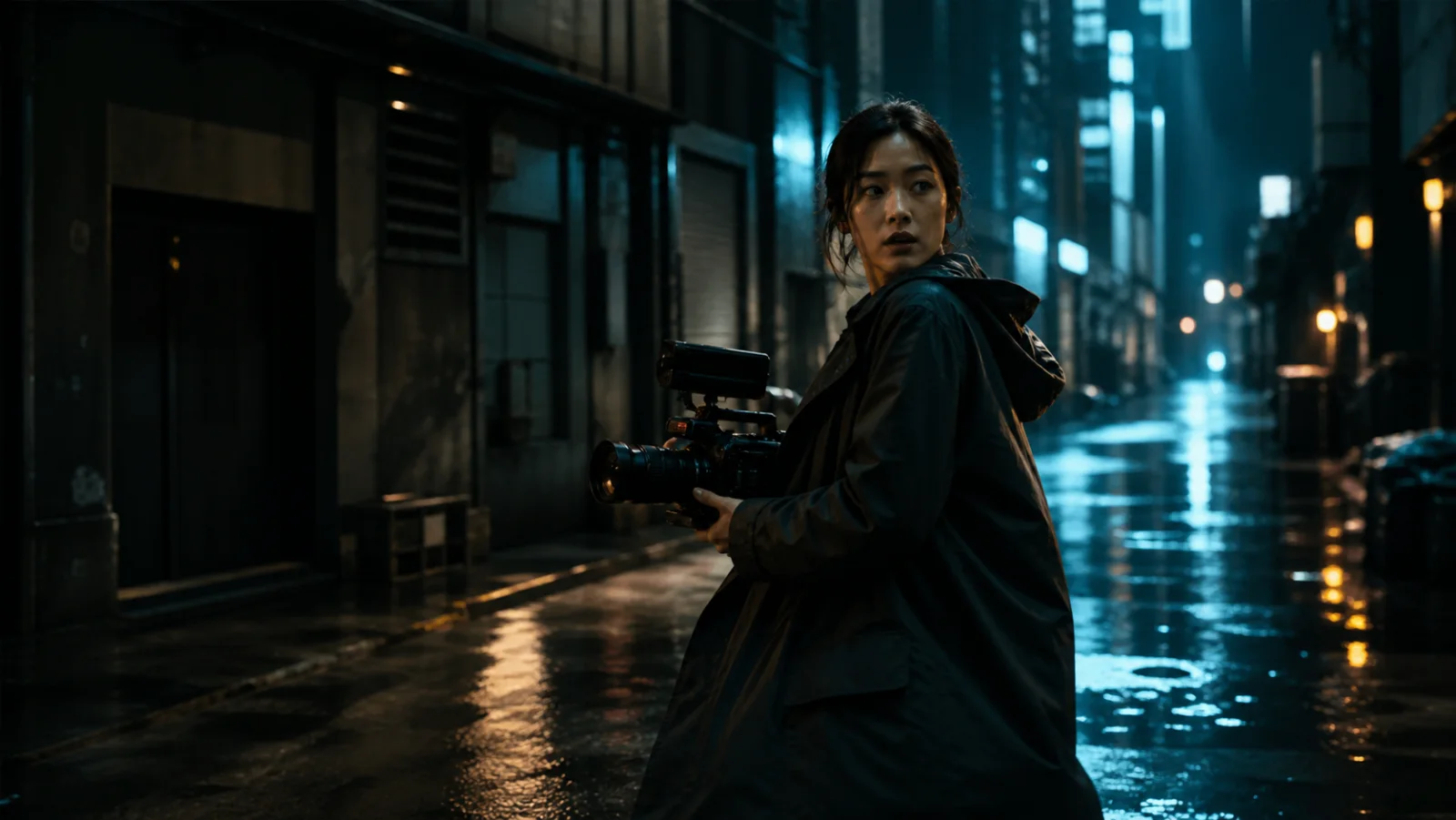

Create 4–15s private videos with native audio and up to 2K output.

Official MiniMax H3 showcase example · AI-generated
Camera tracking and coordinated subject motion
MiniMax H3 video generator
Move from a written direction, a composed frame, or a complete set of references without changing workspaces.
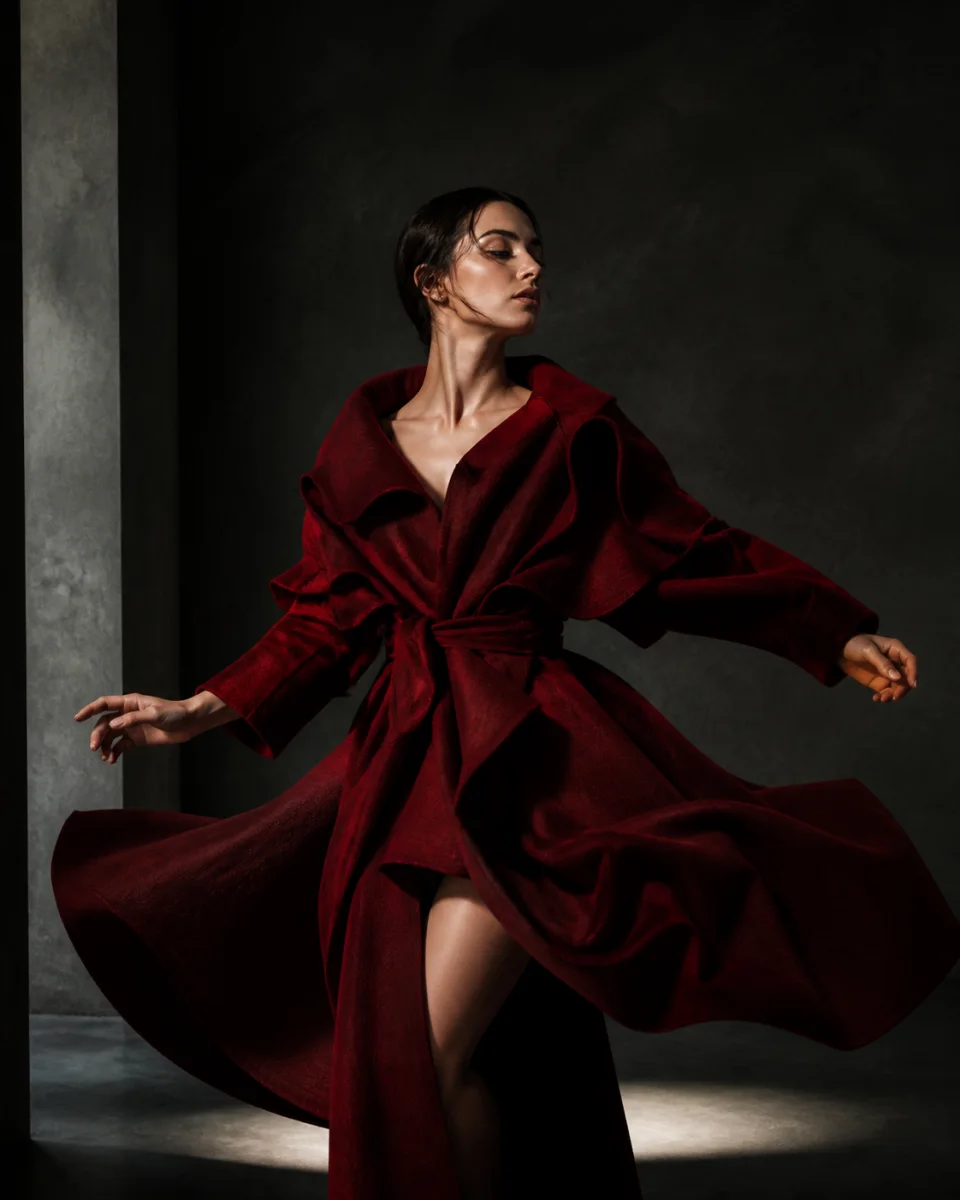
Camera tracking and coordinated subject motion
Prompt / instruction: Official prompt not published
Four simple steps

Direction ready
Camera, motion, sound, duration, and output quality stay in one brief.
Start with Text, Image, or Reference mode. Each mode keeps the controls focused on the material you actually need.
Write the action, camera movement, atmosphere, and sound in one production brief, or load a proven prompt direction.
A cinematic product reveal with a slow orbital camera, restrained reflections, and natural studio ambience.
Choose aspect ratio, duration, and resolution. The credit estimate updates before you submit the generation.
Track the job in My Creations, review the completed video, download it, and reuse the direction for another cut.

Built for professionals
Text to VideoA premium product reveal on polished stone, precise reflections, slow orbital camera, restrained particles, commercial pacing.
Load this direction
Text to VideoA fast vertical creator intro with an expressive subject, clean camera push-in, natural voice and punchy editing rhythm.
Load this direction
Text to VideoA cinematic night exterior, controlled tracking shot, motivated lighting, realistic atmosphere and clear blocking.
Load this direction
Reference to VideoPreserve character identity while following the supplied motion, camera and voice references in one coherent scene.
Load this directionMiniMax H3 · focused production workflow
MiniMax H3 begins with a clear creative brief. Tell MiniMax H3 what the subject does, where the camera moves, and which sounds matter. MiniMax H3 keeps those choices together inside one generation request. Before submitting, MiniMax H3 shows the duration, resolution, aspect ratio, and credit estimate. That makes MiniMax H3 practical for planning a focused clip instead of guessing at the production setup.
MiniMax H3 can begin with text, a first frame, a first-and-last-frame pair, or a set of visual and audio references. Use MiniMax H3 Text mode when the scene exists only as an idea. Use MiniMax H3 Image mode when composition is already defined. Choose MiniMax H3 Reference mode when identity, motion, camera language, or sound must follow supplied material. Every MiniMax H3 mode stays inside the same workspace and credit balance.
MiniMax H3 treats motion and sound as parts of one direction. A MiniMax H3 prompt can describe action, dialogue, ambience, music, and camera timing without sending creators into separate tools. MiniMax H3 supports native stereo output, so the intended audio context travels with the visual request. When a reference recording matters, MiniMax H3 can accept audio alongside image and video references. The MiniMax H3 result remains one coherent clip to review.
MiniMax H3 offers 768P and 2K output so quality and cost are visible choices. MiniMax H3 charges by selected resolution and video seconds, while the interface shows the estimate before submission. For quick concepts, MiniMax H3 at 768P preserves more credits for iteration. For a higher-detail final, MiniMax H3 at 2K provides the larger output option. In both cases, MiniMax H3 uses the same duration and aspect-ratio controls.
MiniMax H3 inputs and outputs stay inside an authenticated private workflow. Uploaded material for MiniMax H3 is stored under the owner account, and completed video is copied into private storage before playback or download. MiniMax H3 does not expose prompts, private object keys, or provider result links in public pages. A finished MiniMax H3 clip remains available in My Creations. That gives every MiniMax H3 project a direct path from submission to secure reuse.
MiniMax H3 is most useful when each generation answers one production question. Start MiniMax H3 with a short, specific shot, review the motion and sound, then revise only the direction that needs work. MiniMax H3 keeps successful outputs available for download, while confirmed failed jobs return their reserved credits. Pricing makes MiniMax H3 capacity visible before purchase. The complete MiniMax H3 workflow is designed to move a clear idea toward footage that can enter the next edit.
Trust the evidence
Product claims stay attached to published examples, documented capability, independent context, and explicit commercial terms.
MiniMax documents H3 as a multimodal video model with native audio generation and reference-driven control.
Read the releaseThe homepage player keeps every example tied to the official MiniMax H3 product gallery and never invents an unpublished prompt.
Open the sourceArtificial Analysis provides dated text-to-video-with-audio context outside the product page, so buyers can compare evidence before paying.
View benchmark contextUploads use private storage, completed video is copied into private R2, and raw provider result links are never exposed in the public interface.
Read the privacy policyPaid plans describe the usable output contract directly, including private creation history, commercial workflow terms, and owned downloads.
Read the termsThe generation ledger separates reservation from consumption, while the refund page explains the separate policy for unused purchased credits.
Read the refund policyOne MiniMax H3 workflow. Pick the generation capacity that fits your production pace.
Annual billing · 50% savings versus monthly billing
MiniMax H3 FAQ
MiniMax H3 is a multimodal AI video model for creating and editing video at up to 2K with native stereo sound. It can work from text, images, video, and audio references.
MiniMax H3 supports text-to-video, first-frame and first-to-last-frame image animation, plus multimodal reference workflows for controlled motion, camera, and sound.
H3 supports generated clips from 4 to 15 seconds, with output at up to 2K.
Yes. Start from one image, or provide first and last frames to guide a controlled transition.
Reference-to-video accepts up to nine images, three videos, and three audio files, giving you control over characters, motion, composition, and sound.
Yes. H3 can generate native stereo sound alongside the video instead of treating audio as a separate afterthought.
Every MiniMax H3 generation uses plan credits. The workspace shows an estimate before submission, reserves the required amount while the job runs, and returns the reservation after a confirmed failure. Resolution, duration, and reference inputs can increase consumption.
Paid plans include commercial use under the current minimax-h3.me Terms. You remain responsible for applicable law, underlying model terms, and the rights to every uploaded input.

Your next shot starts here
Choose a plan, describe one clear shot, and create private video with visible credit estimates before every submission.
Create a MiniMax H3 video